
Blog
Blog
I write down what I'm learning as I research: automatic music transcription, signal analysis, digital lutherie.
-
 Music Informatics
Rhythm games: music as the conductor of training
Stage Tour announces RedOctane's return. The announcement is the hook; the underlying idea —music as the conductor of a training system— predates five buttons.
-
 Music Informatics
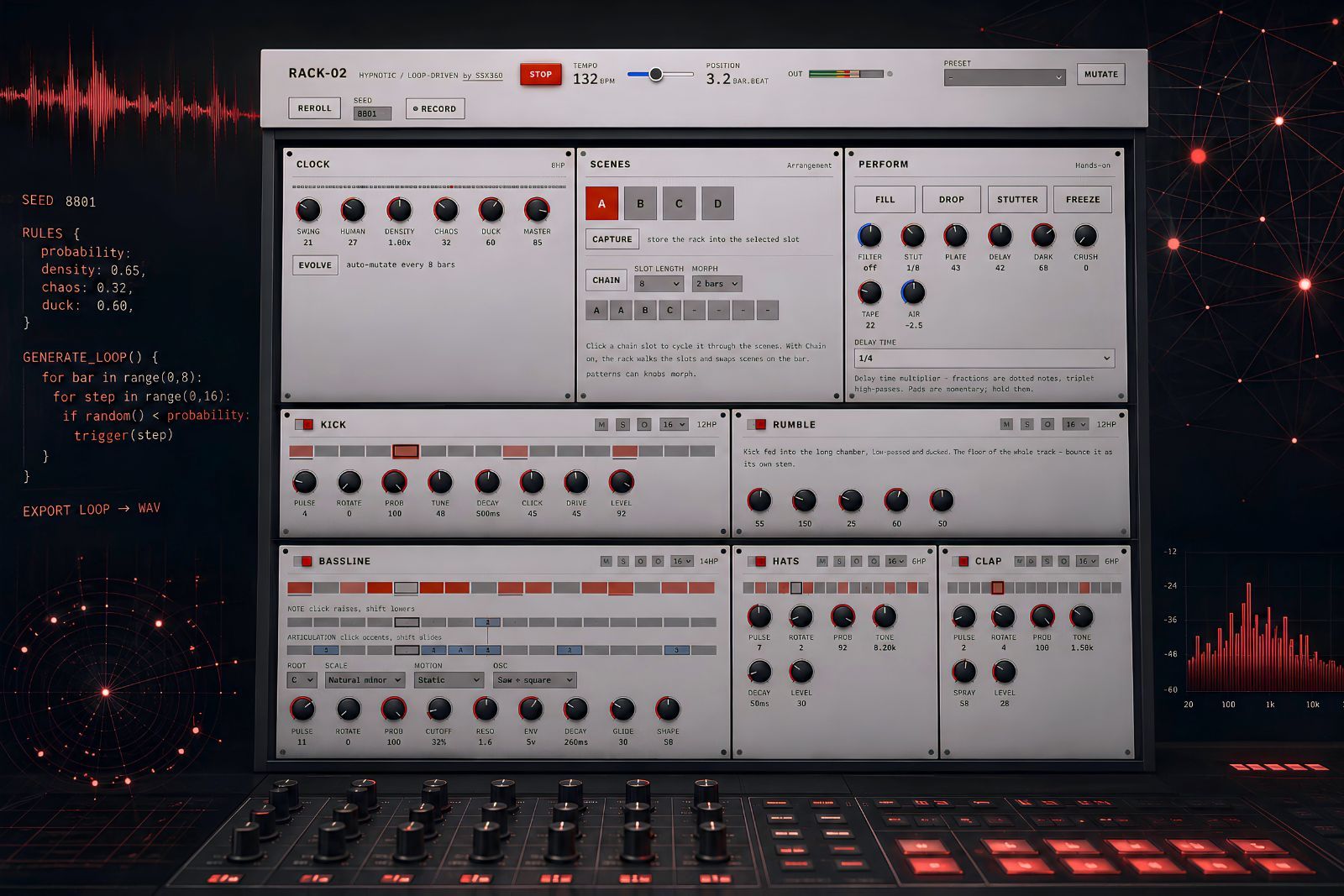
RACK-02: under the hood of the techno generator
A technical audit of RACK-02: how a seed and probability rules generate reproducible techno loops with a modular synthesis engine in the browser.
-
 DIY Lab
Gaita Hero and EMTI Fervienza: evaluating the sound
In 2011 I designed a system to check Asturian bagpipe scores. I'm still pulling the same thread: comparing a performance against a reference is an MIR problem.
-
 Music Informatics
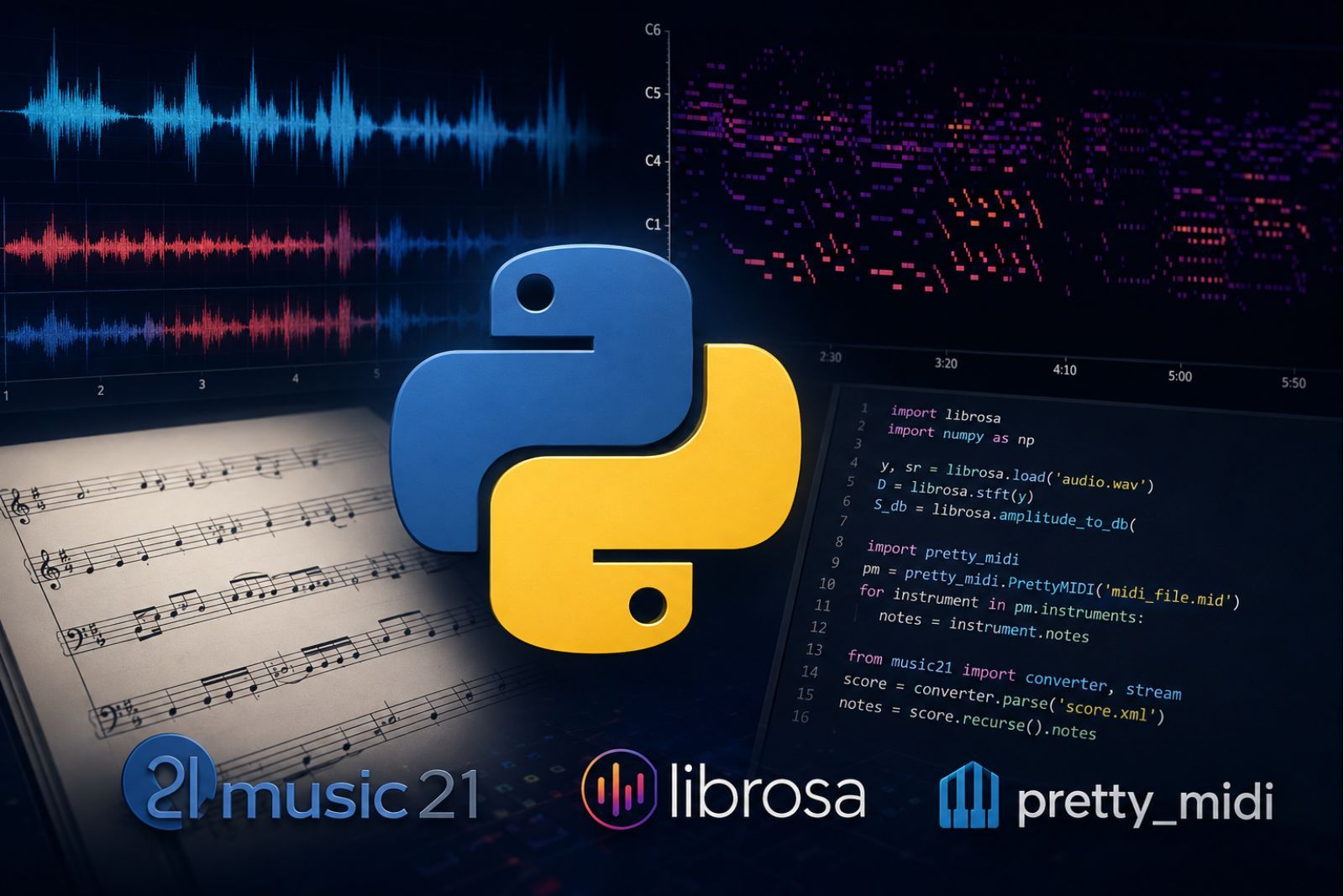
Python for music: librosa, music21, and pretty_midi
One language, three separate toolboxes: librosa looks at the audio, music21 at the score, and pretty_midi at MIDI. What each library does and when to use it.
-
 Music Informatics
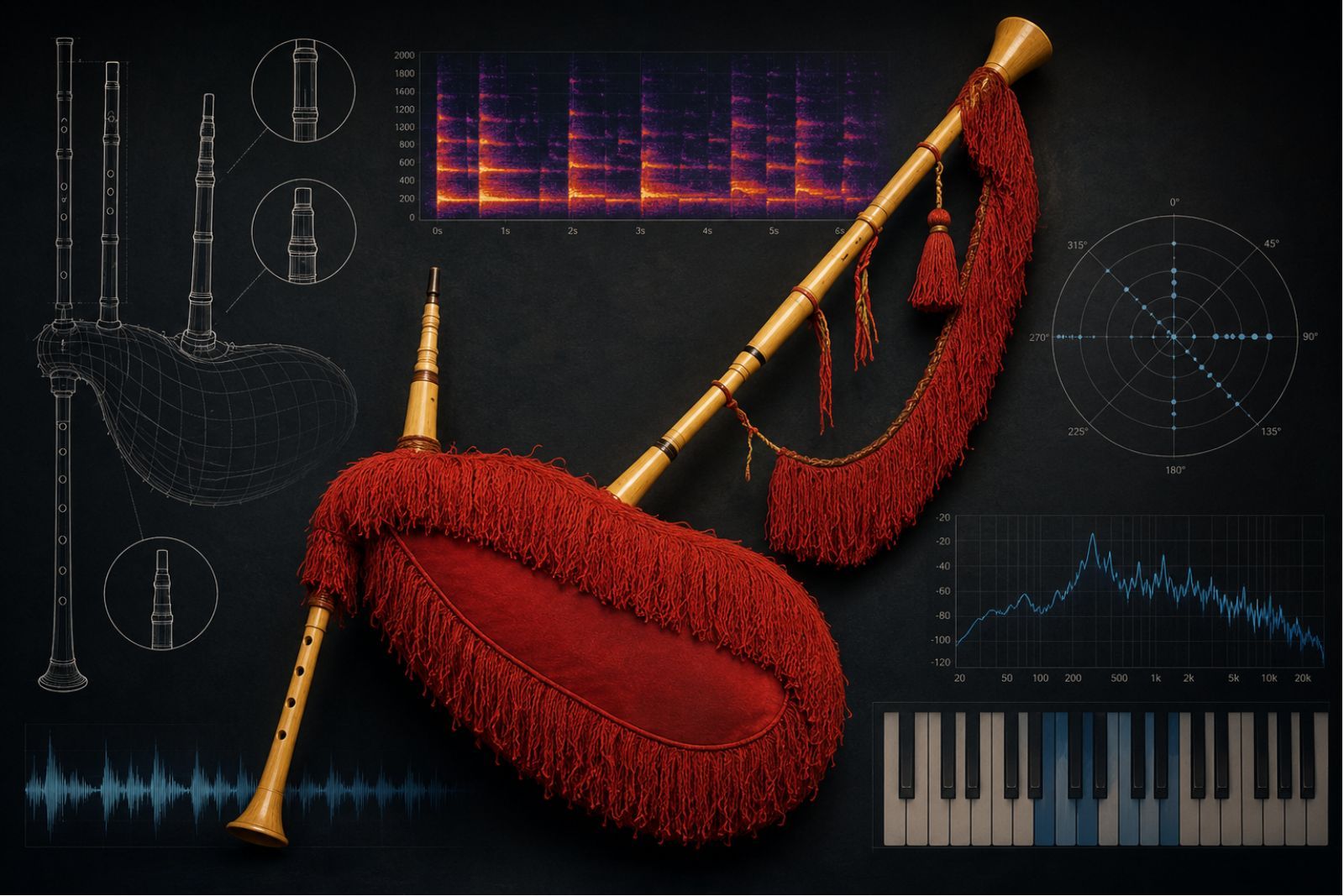
Asturian bagpipe organology as data
How the Asturian bagpipe can be described in measurable terms — parts, key, and frequency range — and what you need to understand before digitising it.
-
 DIY Lab
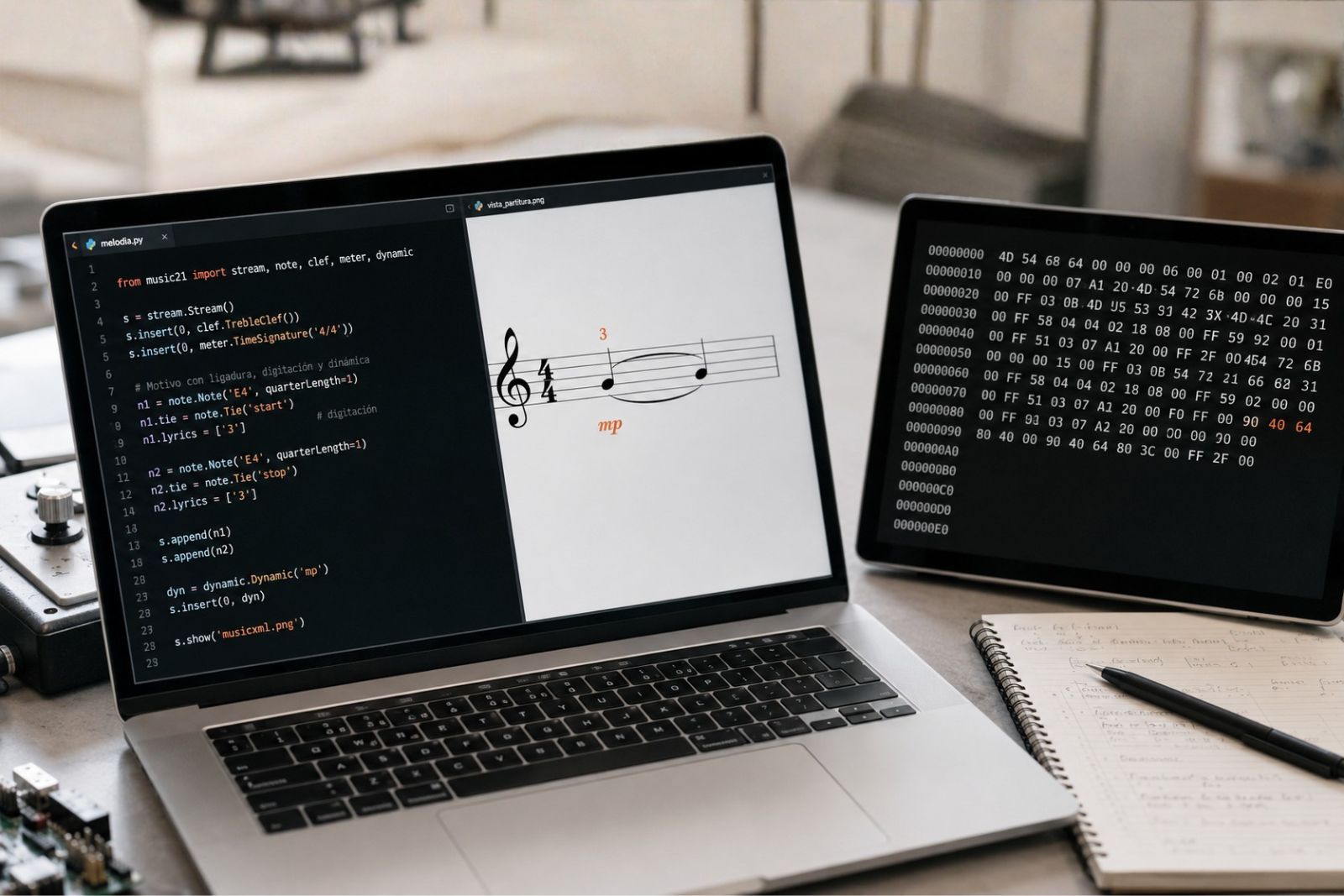
MIDI vs MusicXML in Python: what survives and what doesn't
An experiment with music21 and pretty_midi: the same phrase exported to MIDI and MusicXML. What survives in each format, with real figures.
-
 Essays
Data sovereignty: from principles to architecture
How the GDPR, the AI Act and the Digital Bond Manifesto translate into technical decisions: no analytics, no cookies, with an explicit legal basis.
-
 Music Informatics
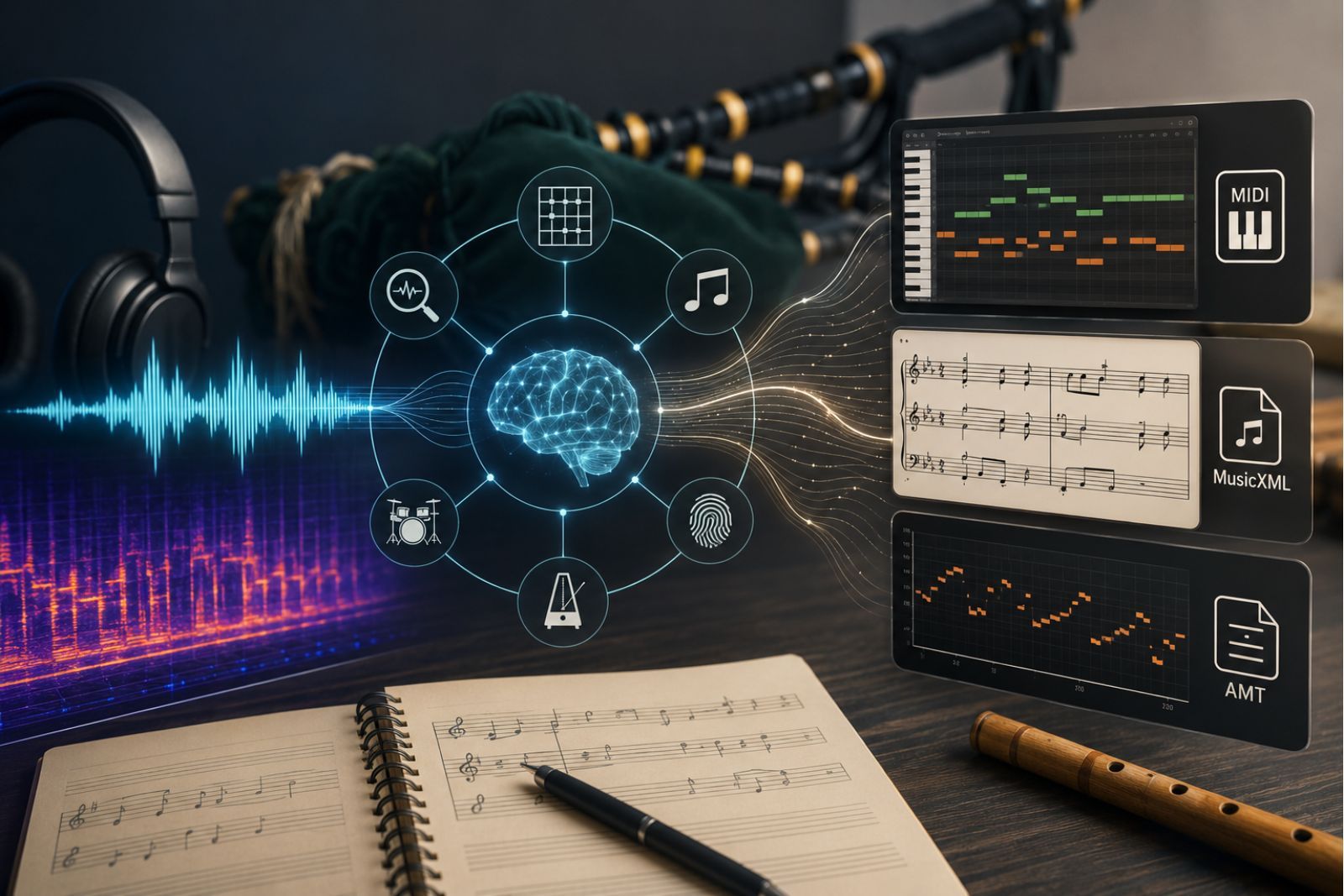
What Music Information Retrieval (MIR) is
The field behind automatic transcription, chord recognition, and Shazam. What MIR is and how MIDI, MusicXML, and AMT fit into it.
-
 Essays
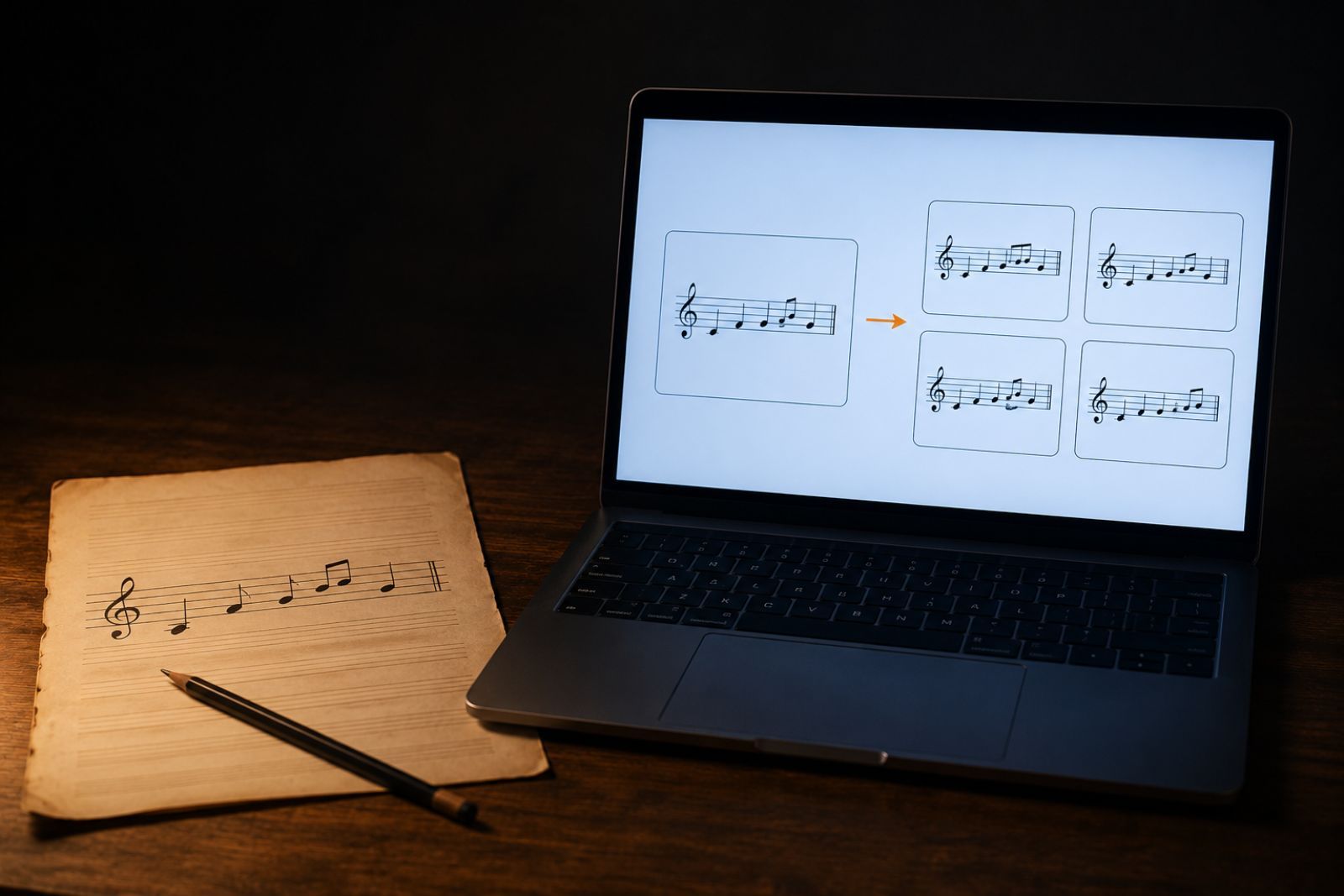
AI as a tool, not as the final product
Why I see generative AI as a tool that amplifies what you already know, not a substitute for judgment. With real data, not hype.
-
 DIY Lab
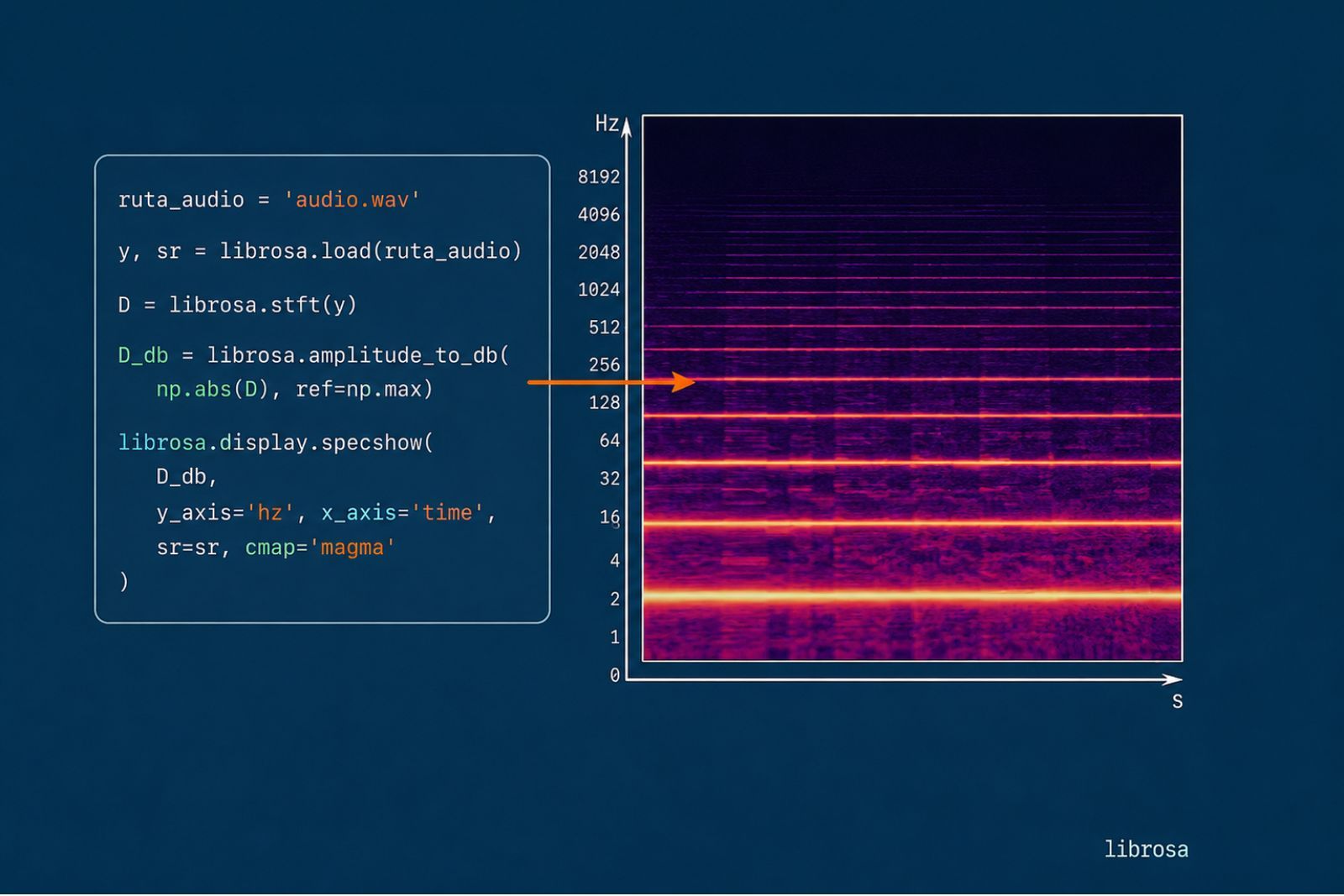
How to compute a spectrogram with librosa
A step-by-step tutorial, with a downloadable notebook, on going from real audio to its spectrogram with librosa: STFT, decibels, and reading harmonic bands.
-
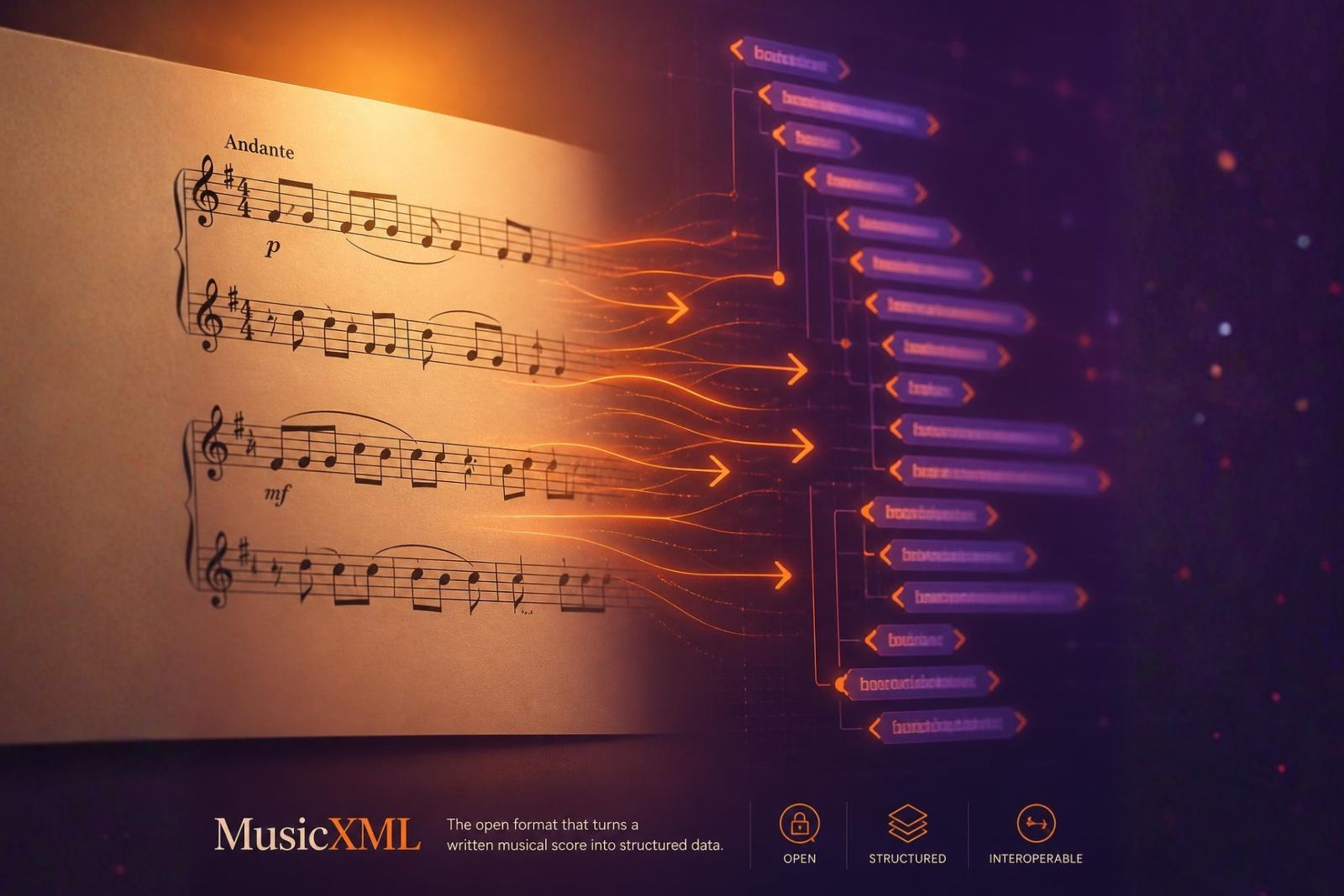 Music Informatics
What MusicXML is: the score as data
Moving a score between programs without it falling apart seems trivial, and it is not. What MusicXML is and how it differs from MIDI.
-
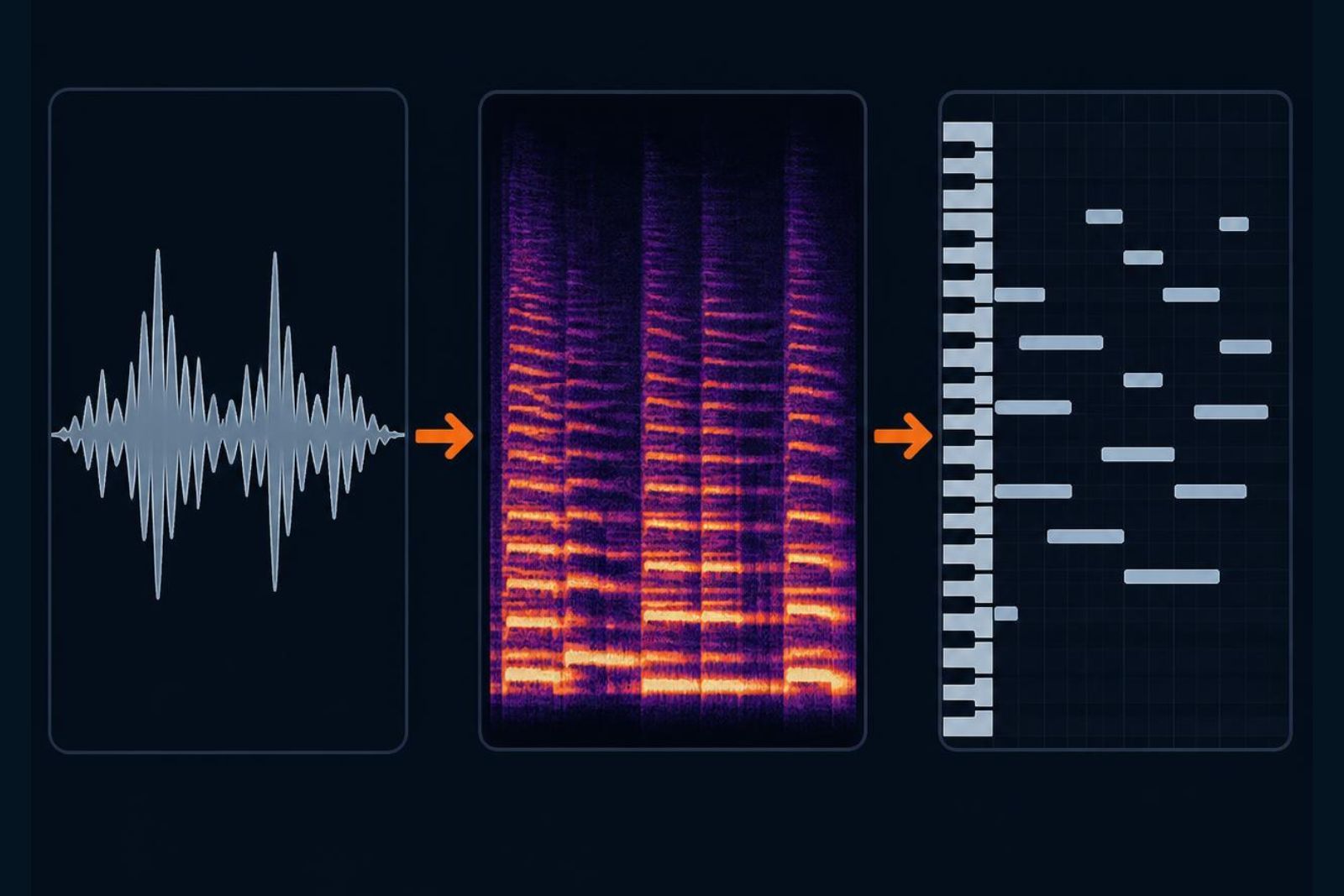 Music Informatics
What automatic music transcription is
Turning a recording into a score sounds trivial until you try it. What automatic music transcription (AMT) is and why it remains an open problem.
-
 Essays
What a Jupyter notebook is and why to start with it
A Jupyter notebook blends explanation and runnable code in one document. What it is and why I think it's a great way into programming, especially for teaching.
-
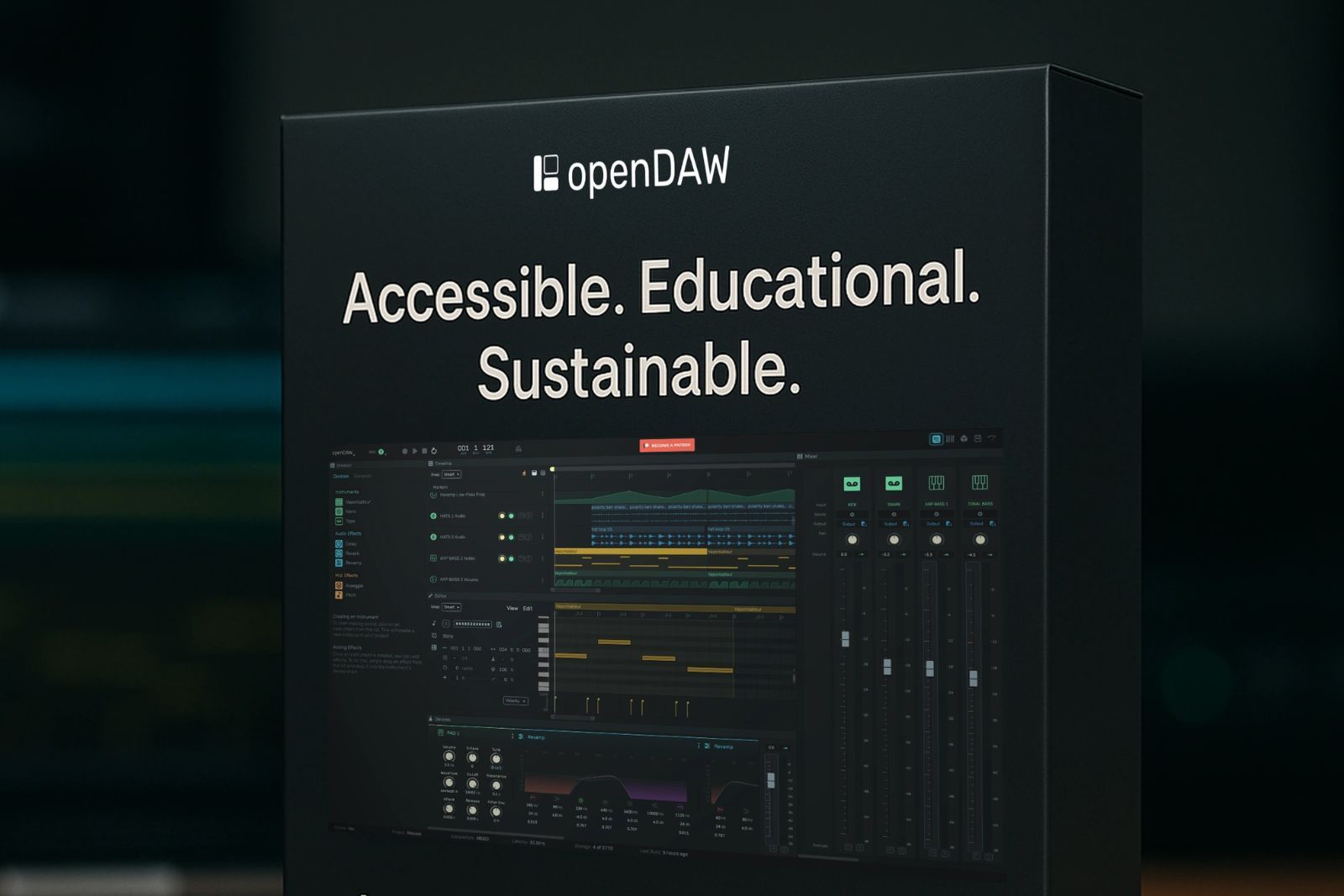 Music Informatics
openDAW: an open-source DAW that lives in the browser
What openDAW is, how it runs in the browser via the Web Audio API and TypeScript, and how its data sovereignty model connects with GDPR and free software.
-
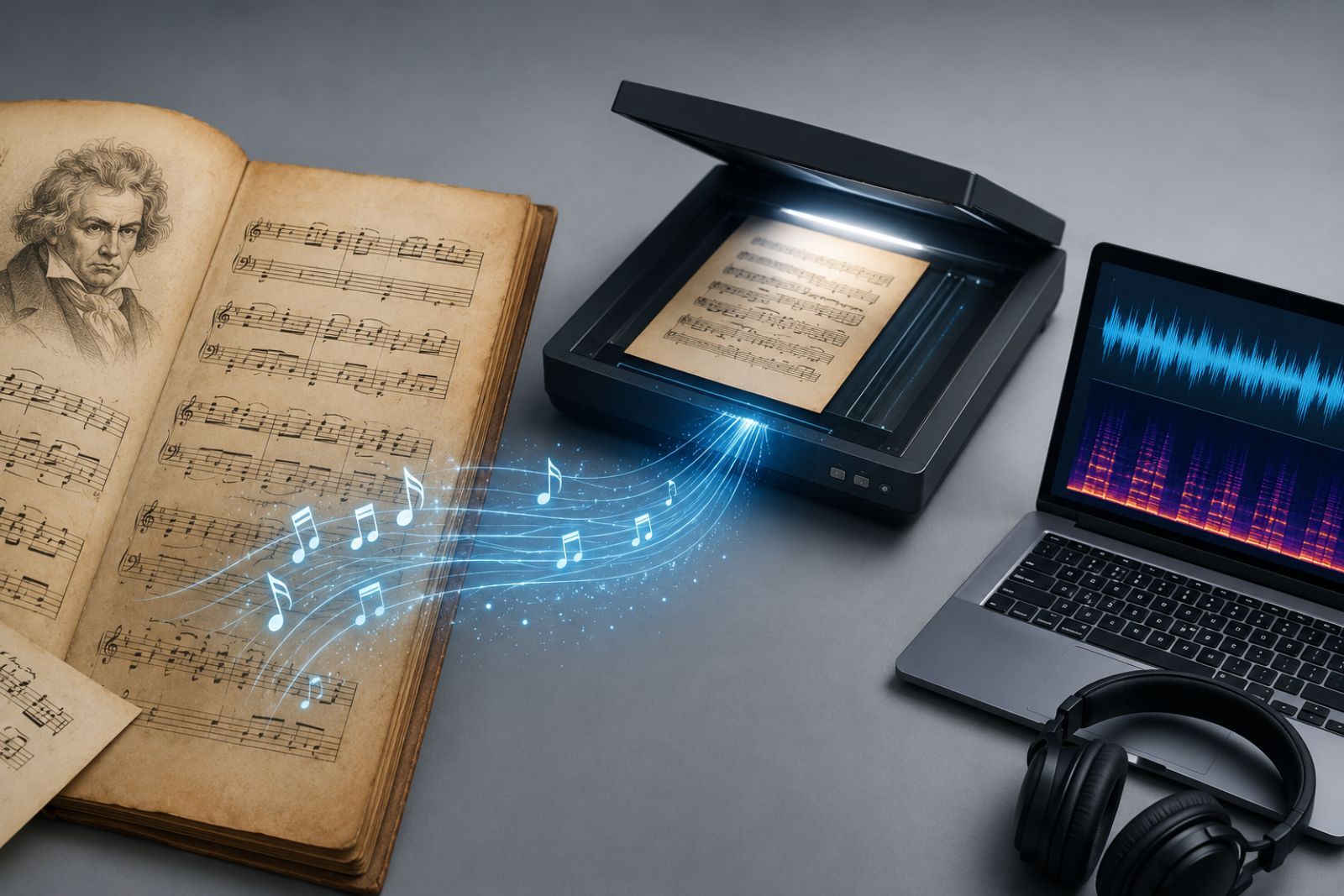 DIY Lab
How to build an audio corpus for music research
An audio corpus is not a playlist: it is a structured, labelled, reproducible collection. What it takes to make one genuinely useful for MIR research.
-
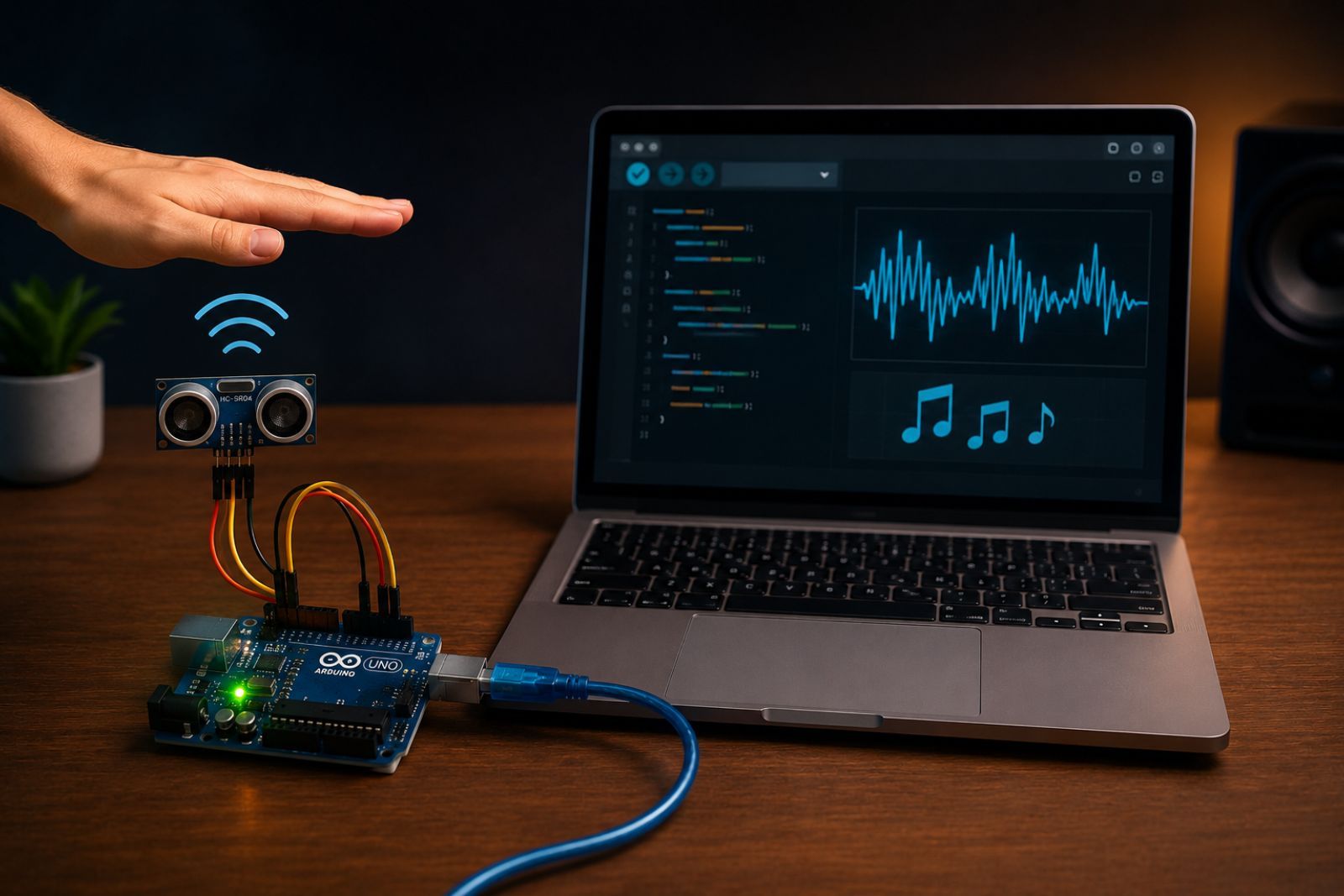 DIY Lab
Making music with Arduino: from buzzer to MIDI
How to get sound out of an Arduino, from a buzzer with tone() to turning sensors into controllers. A practical walkthrough, no expensive hardware.
-
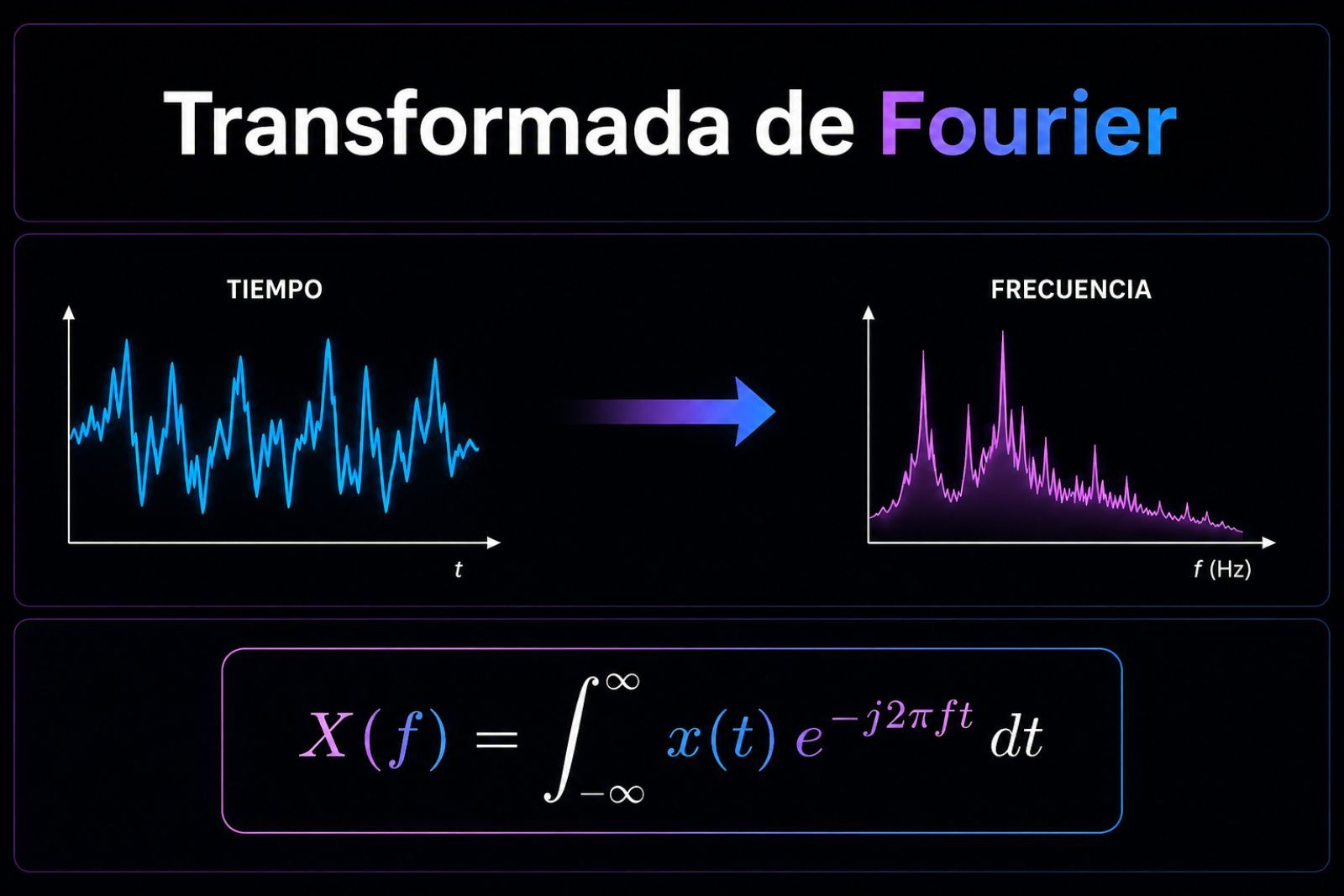 Essays
The Fourier transform: from time to frequency
Why sound can be understood as a sum of frequencies, what the Fourier transform does with that idea, and how it explains the spectrum.
-
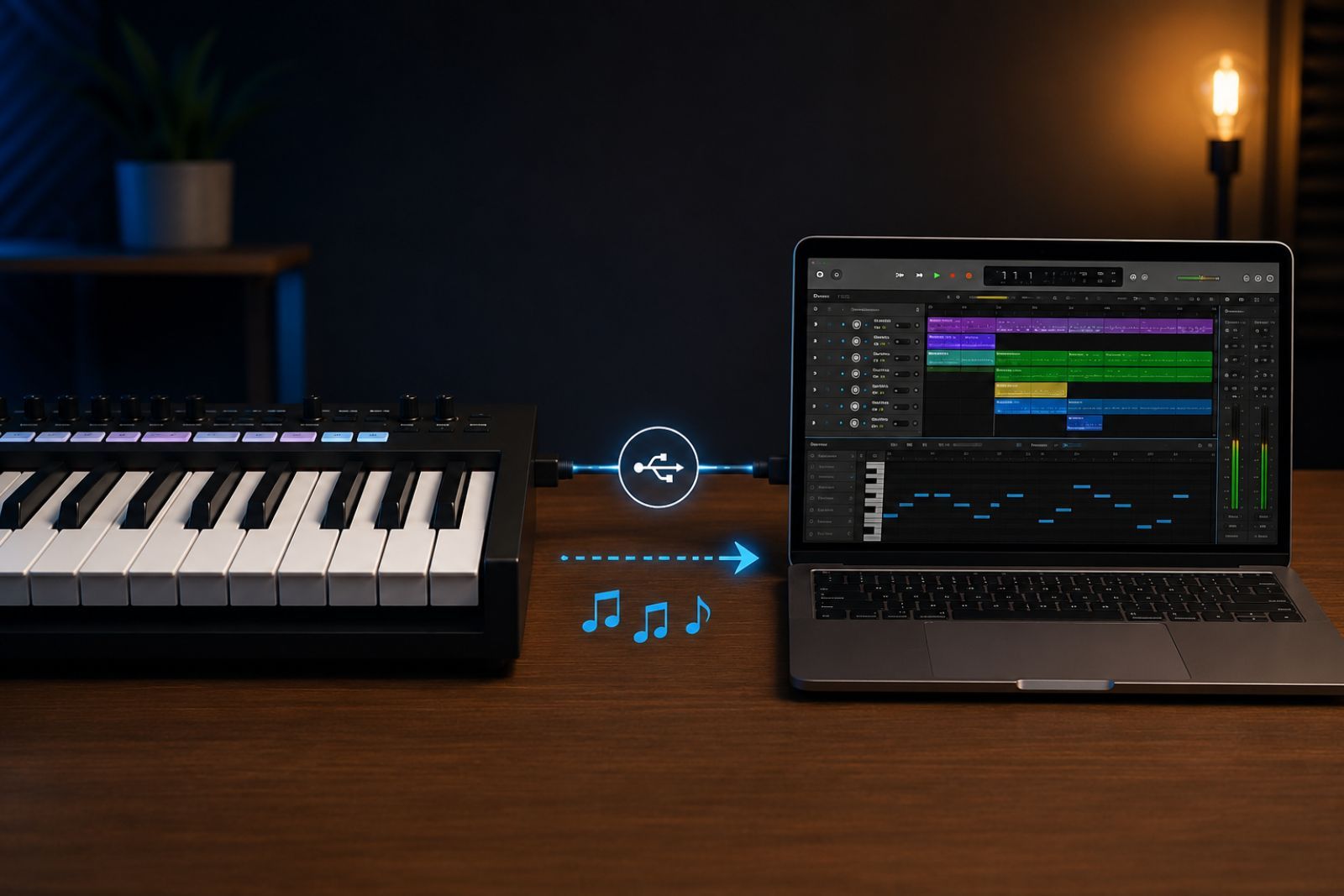 Music Informatics
What MIDI is: instructions, not audio
What MIDI is and, more importantly, what it is not. How a MIDI message describes a note without audio, and why that makes it so flexible.
Nothing here yet. Try another word — or drop me a line and I'll cover it.