
Blog hub
DIY Lab
Hands-on tinkering with purpose: Arduino, sensors and code to make music with your hands.
-
 Essay
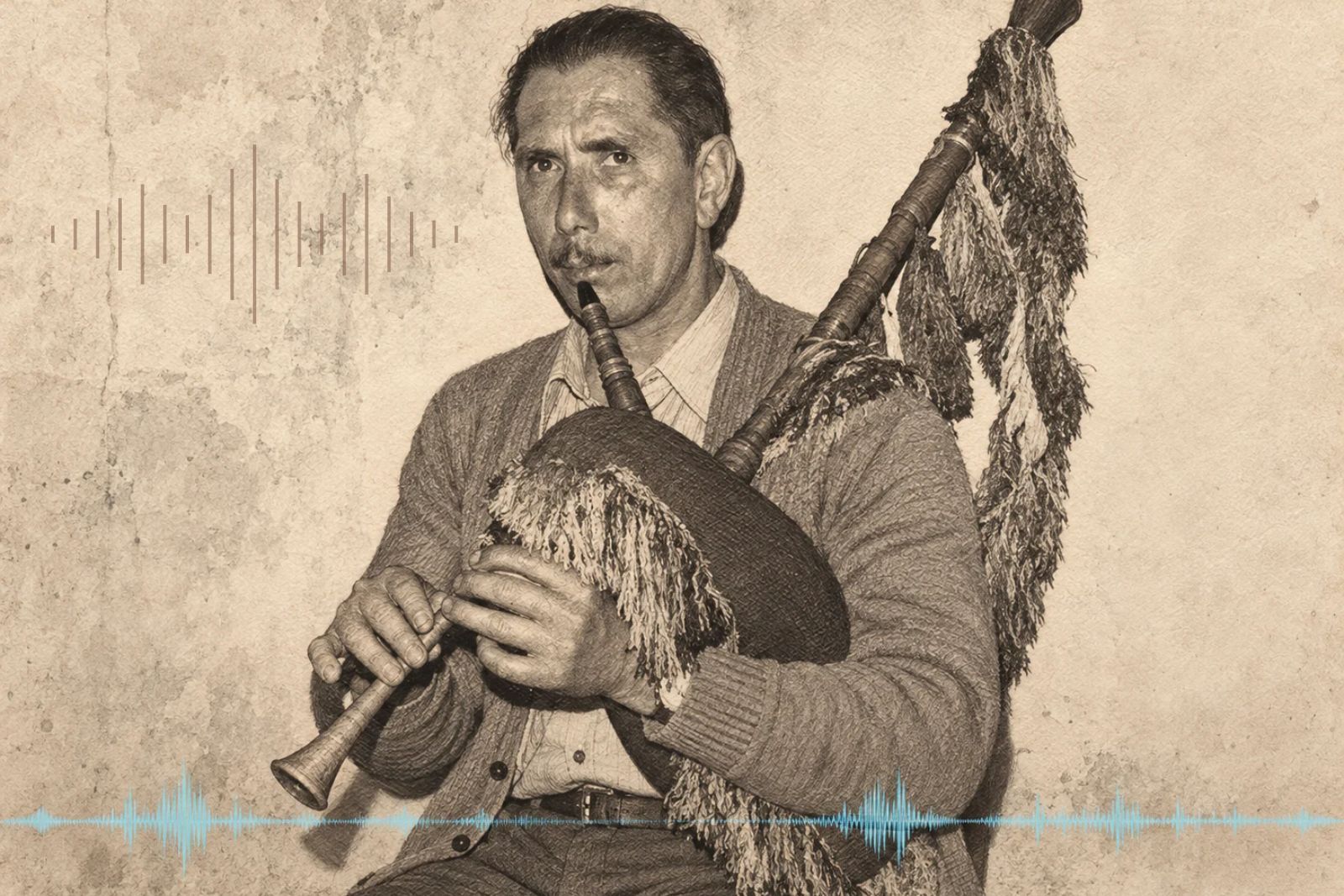
Can you separate the drone from the bagpipe in a field recording?
We fed an algorithm a recording of a real piper from Teverga, nearly 50 years old, and tried to separate the drone from the melody before analyzing it. The standard technique for this, HPSS, is what we used in this small experiment — and here's the result, honestly.
-
 Essay
Gaita Hero and EMTI Fervienza: evaluating the sound
In 2011 I designed a system to check Asturian bagpipe scores. I'm still pulling the same thread: comparing a performance against a reference is an MIR problem.
-
 Tutorial
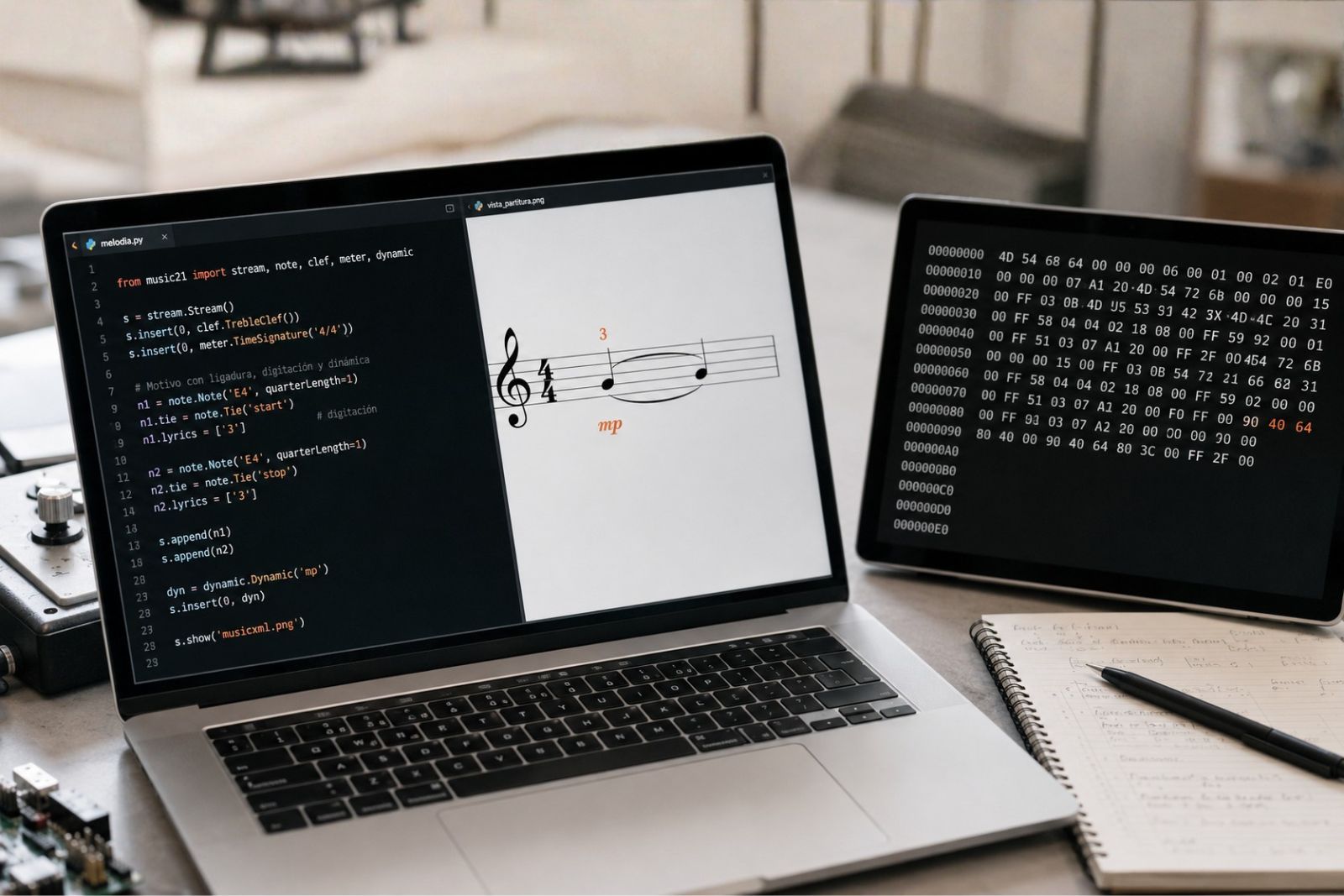
MIDI vs MusicXML in Python: what survives and what doesn't
An experiment with music21 and pretty_midi: the same phrase exported to MIDI and MusicXML. What survives in each format, with real figures.
-
 Tutorial
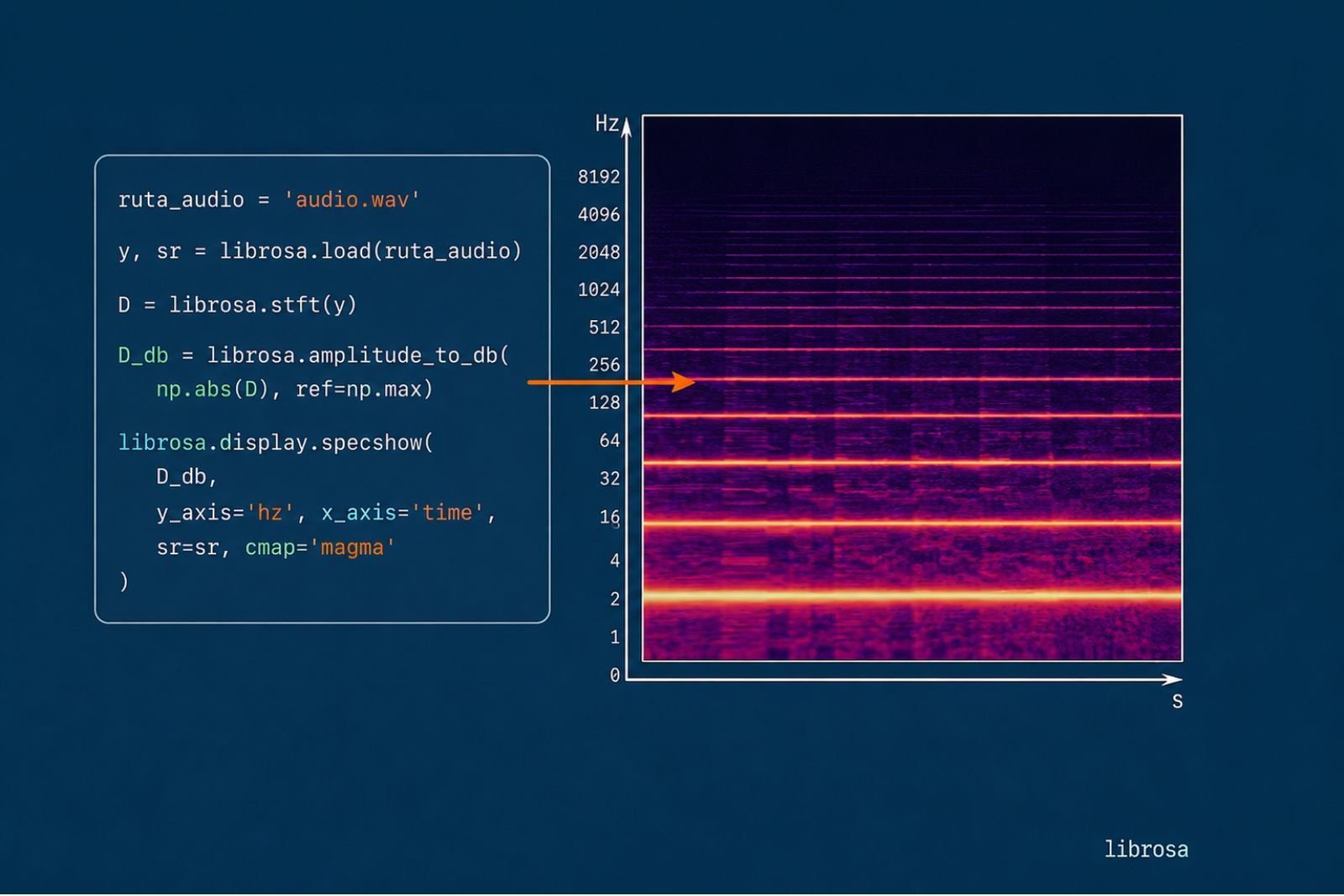
How to compute a spectrogram with librosa
A step-by-step tutorial, with a downloadable notebook, on going from real audio to its spectrogram with librosa: STFT, decibels, and reading harmonic bands.
-
 Guide
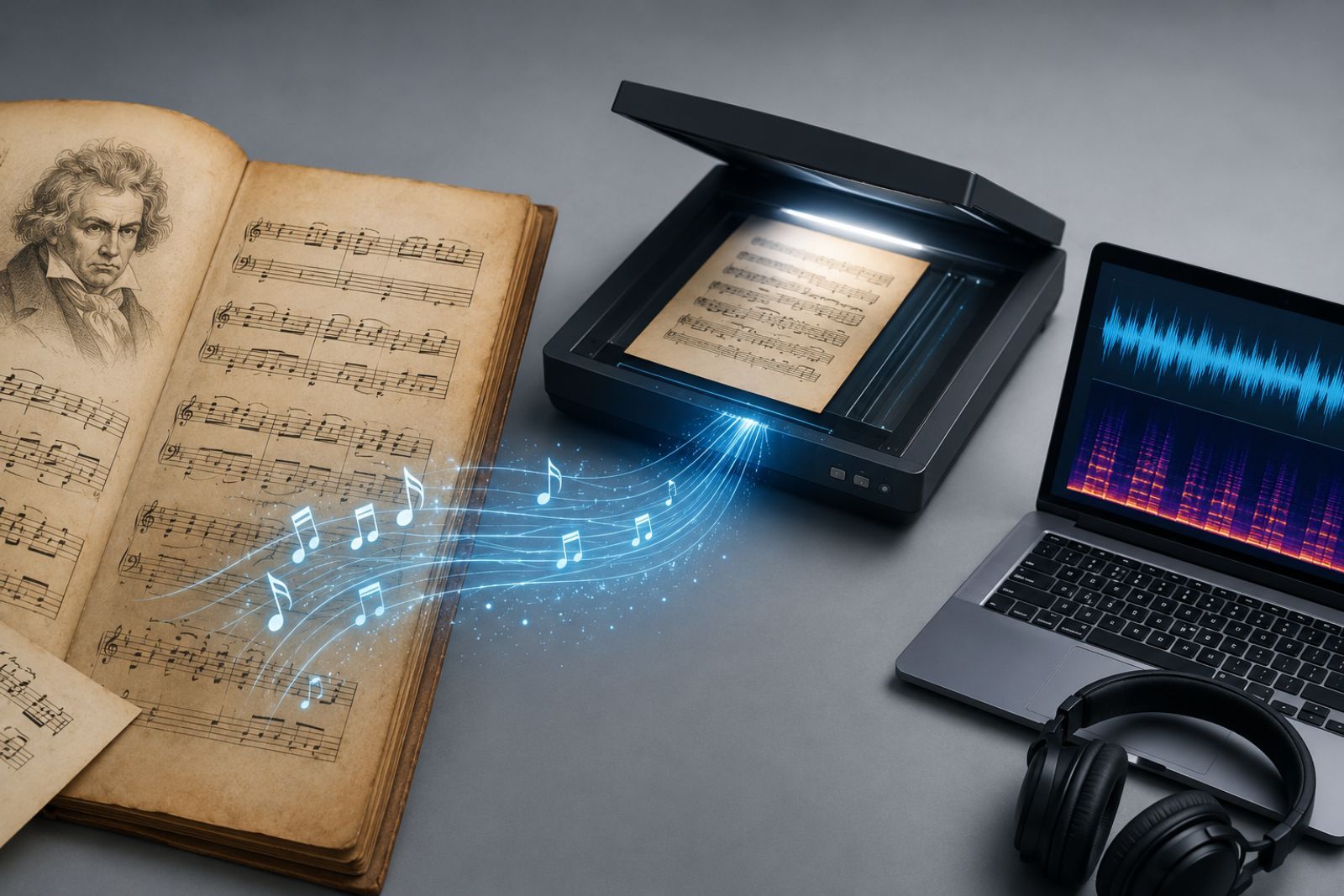
How to build an audio corpus for music research
An audio corpus is not a playlist: it is a structured, labelled, reproducible collection. What it takes to make one genuinely useful for MIR research.
-
 Tutorial
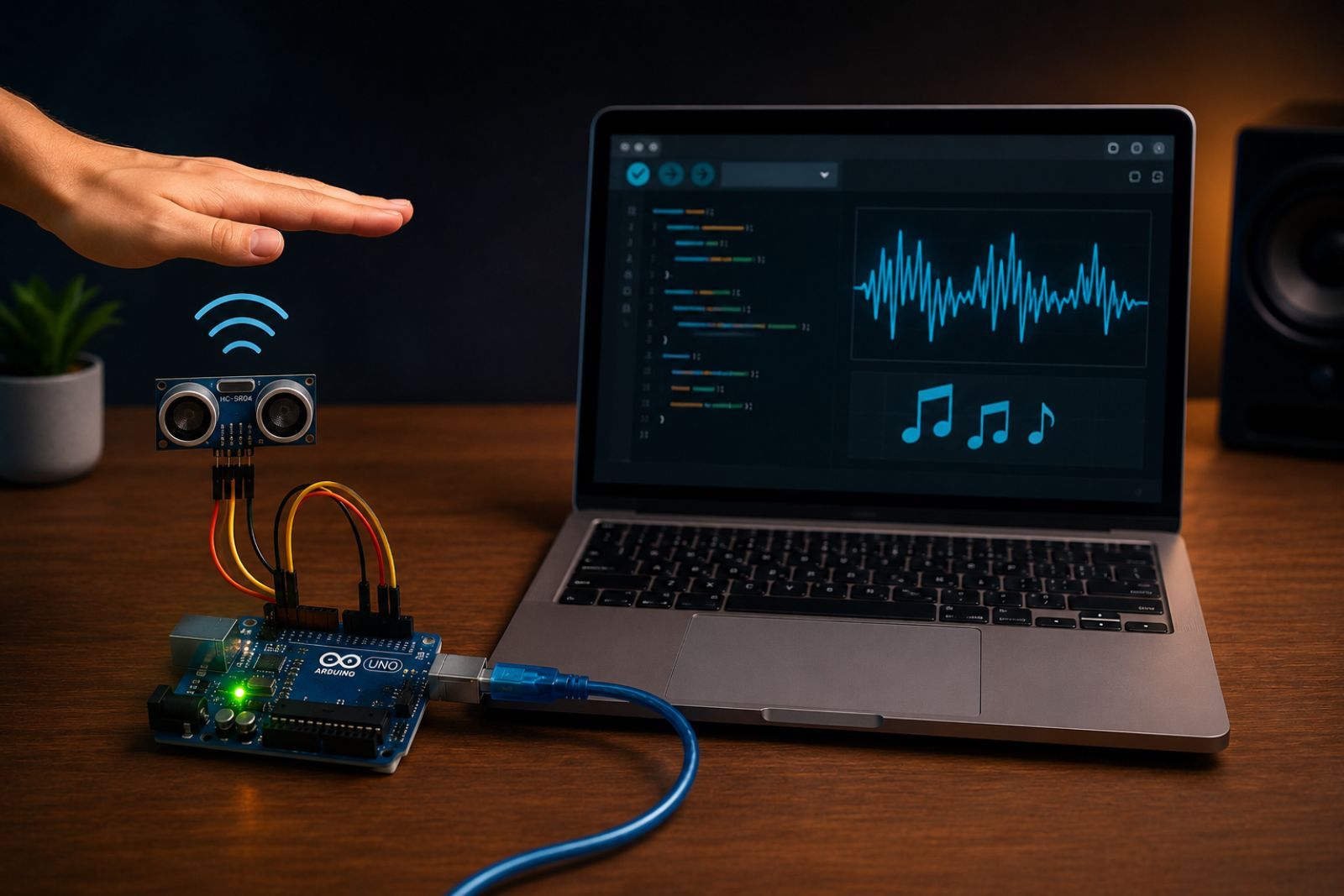
Making music with Arduino: from buzzer to MIDI
How to get sound out of an Arduino, from a buzzer with tone() to turning sensors into controllers. A practical walkthrough, no expensive hardware.
Nothing here yet. Try another word — or drop me a line and I'll cover it.